







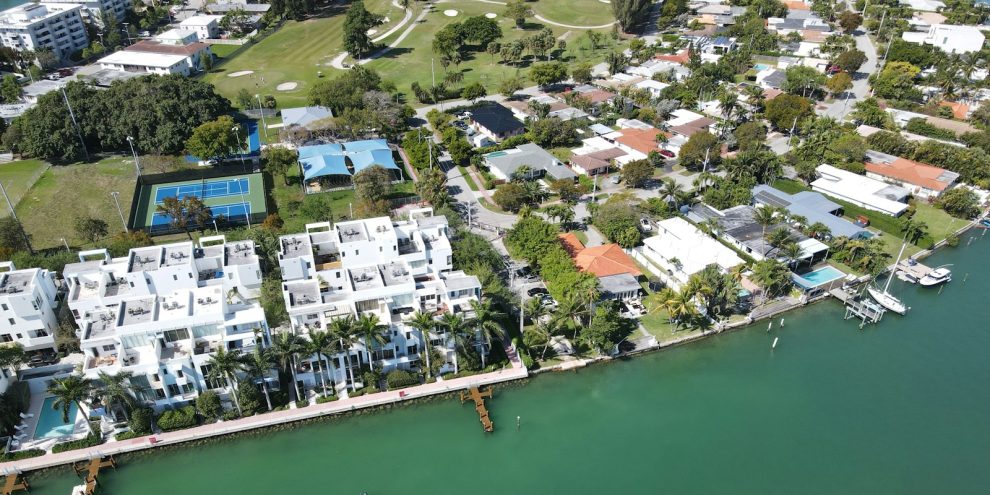
The Florida housing market has long been a subject of fascination and speculation, with its dynamic shifts, investment opportunities, retirement appeal, and Florida lifestyle.
The Past 25 years
The past 25 years has been interesting in real estate and it is important to look back as we move forward, not to dwell on what ifs, but to look forward to what can be.
Over the past 25 years, Florida’s real estate market has experienced a rollercoaster of dramatic booms, painful busts, and remarkable recoveries. The early 2000s marked an unprecedented housing boom fueled by low interest rates, speculative buying, and lenient lending practices. Property values soared, particularly in coastal cities like Miami and Tampa, drawing investors from across the country and internationally.
However, the boom was unsustainable. The 2008 financial crisis sent shockwaves through the market, leading to plummeting home values, a foreclosure epidemic, and a surge in distressed properties. Florida became one of the hardest-hit states during the Great Recession, with home prices falling by as much as 50% in some areas.
This was a great time to purchase real estate and for those who did, congratulations on your timing and luck! Yes, luck. If you were the right age, in the right situation, and purchasing a home in 2008, you were lucky. Many home buyers today are in exactly the same place you were in 2008, but are priced out of the market. So yes, you were lucky.
The market began its recovery in the early 2010s, aided by economic stabilization, stricter lending practices, and the rise of purchases by investment companies taking advantage of the low market.
But then, the COVID-19 pandemic in 2020 brought another twist, with initial uncertainty giving way to a surprising housing boom. While many were waiting for the housing market to drop, the opposite happened.
There was a huge surge in big investment companies and corporations buying up housing (reference: pew trust) and, in my opinion, keeping the real estate market high with their hold and influence in the market. With over 25% of the homes being owned by real estate investment companies, it is not difficult to see how they have some control in individual markets. It is easy for them to keep properties off the market to keep the inventory low and rents high because they have billions of dollars and profit from keeping prices high.
For those who owned real estate before covid and the surge in prices, they are happy with the higher market value. For those who didn’t, many have been priced out and are not happy. And of course, these are the people waiting for a crash! Not to hurt anyone who owns real estate, but simply to make it affordable again for them.
As we look back at real estate in the past 25 years, we gain insight into how to navigate the future and understand the current challenges for new home buyers.
Predictions for 2025
In 2025, Florida’s real estate market is undergoing a significant transformation, marked by a stabilization of home prices and a gradual shift towards a more balanced environment for buyers and sellers. The Orlando Regional Realtor Association reports that, for the first time in over a decade, Central Florida has achieved a six-month supply of homes, indicating a healthier market dynamic.
This could be partly due to the fact that the homes are averaging 70 days on the market, the longest since 2019, moving away from a sellers market to a more equalized buyer-seller market. In addition, new construction homes have surged, providing more inventory for buyers.
Current Market Overview
According to Redfin, as of December 2024, the data for the Florida Real Estate market are:
- Home prices in Florida were up 1.8% year-over-year in December
- Number of homes sold rose 6.8%
- Number of homes for sale rose 20.1%
- Florida has 2 cities, Cape Coral and Sarasota, in the top locations nationwide that people are looking to move to
Challenges Remain Real
While the inventory increase pushes the market toward buyers, prospective home buyers still have challenges in Florida. With the risk factors of climate-related vulnerabilities such as hurricanes and rising sea levels causing insurance costs to rise, and elevated mortgage rates, costs of homeownership is still out of reach for many. And while the home prices may be stabilizing, the increase in cost of a home compared to increase in income over the past 10 years is far from even and many remain priced out of the market. And then there’s the fact that buyers also have to deal with competing against investment companies who can cash purchase for easy and quick closings. I can’t tell you how many people I’ve spoken to who this has happened to!
Despite these challenges, Florida remains an attractive destination for investors and new residents, drawn by its economic opportunities and lifestyle appeal.
Will Florida’s Real Estate Market Stay Strong?
The evolving market conditions of 2025 reflect a state in flux, and we are all on this ride that we hope will level to a more smooth future.
Being the fastest growing state in population with people still moving to the state to retire, buy a second “winter” home, and investors swooping up the landscape, Florida’s future strength in the real estate market is seemingly good.
The real estate industry is also evolving, with innovative solutions such as co-living spaces, sustainable housing, and smart home technologies gaining traction. These advancements could partially reshape the housing landscape. Builders are also building more niche communities and offering amenities for today’s distinct home buyers making it a top choice for many to relocate to the Sunshine State.
Potential Market Disrupters and Global Factors
No one could predict Covid and no one can predict any future external economic factors, such as a broader economic downturn or geopolitical events. These things could have ripple effects on the Florida housing market. As a globally connected state, Florida is not immune to international economic shifts.
Interest rates are a pivotal factor in the real estate equation, and rising rates could impact the affordability of homes, potentially slowing down the market.
Here’s what our Experts have to say…
The real estate market will hold due to big corporate investments and at most, will experience a slight correction and leveling out, even amidst a possible economic downturn.