
Florida’s environment is one of the most diverse and fragile in the United States, characterized by its wetlands, coastal ecosystems, and subtropical to tropical climate. From the Everglades to the Florida Keys, each region of Florida has its own unique qualities as well as plants and animals that inhabit these areas. Because of this, Florida is an ideal location for the study of the environment, ecology, and geology as it has much to offer those interested in these studies.
Wetlands & The Everglades
The Everglades is a vast, slow-moving river of grass and one of the most unique ecosystems in the world. It supports alligators, panthers, manatees, and a variety of bird species.
Florida is home to many other wetlands, which act as natural water filters and help control flooding.
Water, Florida’s Aquifer, and Sinkholes
Rivers, Creeks & Streams | Springs | Lakes
With more than 8,500 miles of tidal shoreline, 2.1 million acres of estuaries, and 30 percent of the state’s land cover consisting of wetlands, Florida’s relationship to water is pivotal in the state. With an underground aquifer, Florida’s springs give us crystal clear drinking water. Sinkholes occur when part of the underground aquifer erodes or contains voids.
Beaches & Coastal Ecosystems
Beaches | Coastal Areas | National Seashores
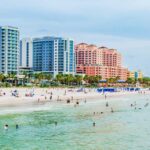
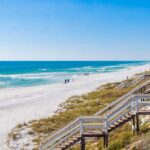
Florida has over 1,300 miles of coastline, featuring sandy beaches, dunes, and barrier islands. The coral reefs, particularly in the Florida Keys, are some of the most extensive in the U.S. but are threatened by climate change and pollution.
Forests , Parks, Preserves
Forests | State Parks | National Parks
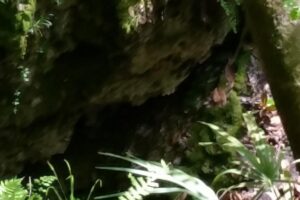
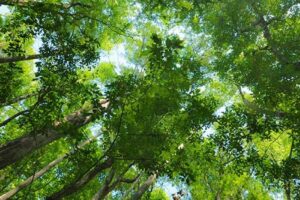
The state has pine flatwoods, cypress swamps, and mangrove forests, which support diverse wildlife.
Climate & Weather Extremes
Florida has a humid subtropical climate in the north and tropical climate in the south. It is prone to hurricanes, heavy rainfall, and rising sea levels, which pose major risks to its ecosystems and cities.
Environmental Issues
-
Rising sea levels are eroding beaches and threatening coastal cities.
-
Red tide and algae blooms caused by pollution affect marine life and human health.
-
Habitat destruction due to urbanization has put pressure on native species.
Florida’s Geographical Features
- Florida Swamps
- Florida’s Springs
- Florida National Seashores
- Florida Dunes
- Florida Sandbars
- Florida Islands & Keys
- Florida Capes, Points, Peninsulas
- Florida Harbors
- Sinkholes in Florida
- Florida Sandhills (High Pine)
- Florida’s Rivers, Creeks, & Streams
- Florida Estuaries – Marshes, Mangroves, Lagoons and Bays
- Bays, Bights, Bayous, Coves
- Florida Lakes
- Florida Mangroves Ecoregion
- Florida Ridges
- Florida Summits, Hills & Mounds
- Florida Tropical Hardwood Hammocks
- Florida Pinelands, Flats & Prairies
- Florida Cliffs & Bluffs
- Florida Valleys, Head & Hollows
- Natural Bridge in Florida – Florida’s Arch